📰 Latest News & Announcements

LiSA ve Tatsuhisa Suzuki boşanmayı ilan etti
Popüler şarkıcı LiSA ve ses oyuncusu Tatsuhisa Suzuki, yaklaşık yedi yıllık evliliklerinin sona erdiğini açıkladı. İkisi de resmi web sitelerinde ayrı ayrı paylaşımlar paylaştı.
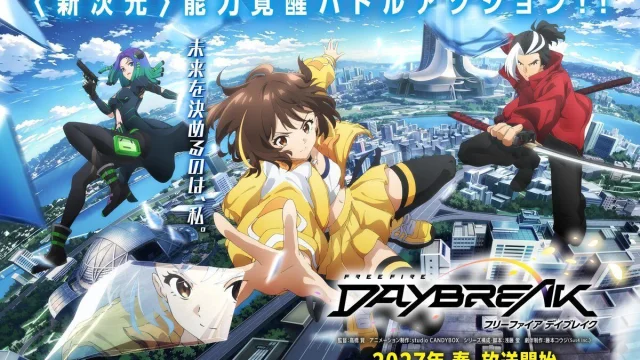
Free Fire Daybreak için Ana Oyun Kadrosu ve Üçüncü Promo Açıklandı
Free Fire World Series Global Finals 2026 etkinliğinde Free Fire Daybreak TV anime'si için ana oyuncu kadrosu ve üçüncü promosyon videosu duyuruldu. Dizinin Nisan 2027'de primer yapacağı belirlendi.
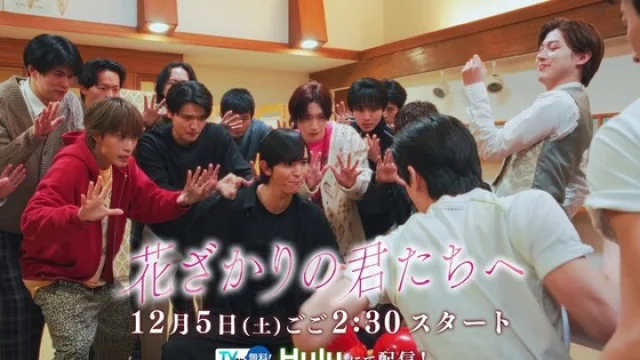
Yeni Canlı Oyunculu Hana-Kimi Dizisi Yeni Oyuncu ve Fragmanla Tanıtıldı
Kei Hosogai, Miu Arai, Ryōko Yūi ve Yūto Adachi oyuncu kadrosuna katıldı. Dizinin yeni fragmanı yayınlandı ve gelecek Cumartesi yayına başlıyor.

Webtoon temelli canlı oyuncu dizisi Portraits of Delusion 6 Ocak'ta Disney+'de başlıyor
Webtoon temelli canlı oyuncu dizisi Portraits of Delusion, 6 Ocak'ta Disney+'de yayımlanmaya başlıyor. 1930'lu kolonik Kore'de geçen hikaye, yetkililerden kaçan bir sanatçının gizli bir otelin sahibinin port...

'Noa Is My Senior, and My Friend' TV anime'si için teaser fragmanı yayınlandı
Enma Akiyama'nın manga serisine dayalı olan 'Noa Is My Senior, and My Friend' TV anime uyarlaması için ilk teaser fragmanı yayınlandı. Anime 2027'de primer yapmayı hedefliyor.
🌌 Featured Universes
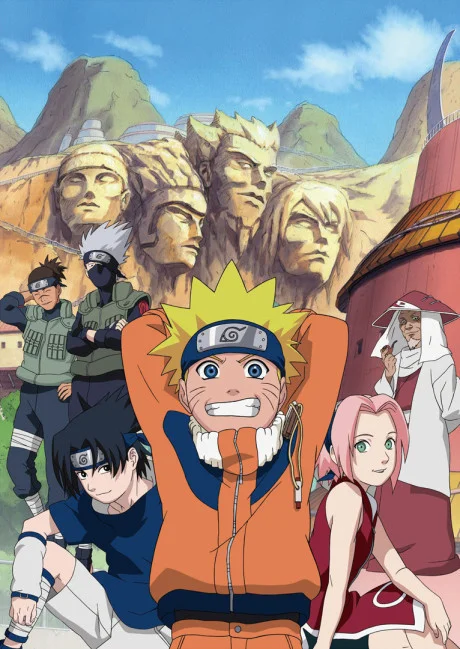
Naruto
Naruto Uzumaki is a hyperactive, somewhat knuckleheaded ninja living in Konohagakure (Hidden Leaf Village). Shortly before his birth, a great beast known as the Kyuubi (Nine-Tailed Fox) attacked the village, causing widespread destruction. To end the Kyuubi's rampage, the village leader, the Fourth Hokage, sacrificed his life to seal the beast within the newborn Naruto. Because he houses the Kyuubi, Naruto is ostracized by the village and struggles to find his place. Determined to earn recognition, the young ninja strives to become the Hokage of Konohagakure, encountering many friends and foes along the way.
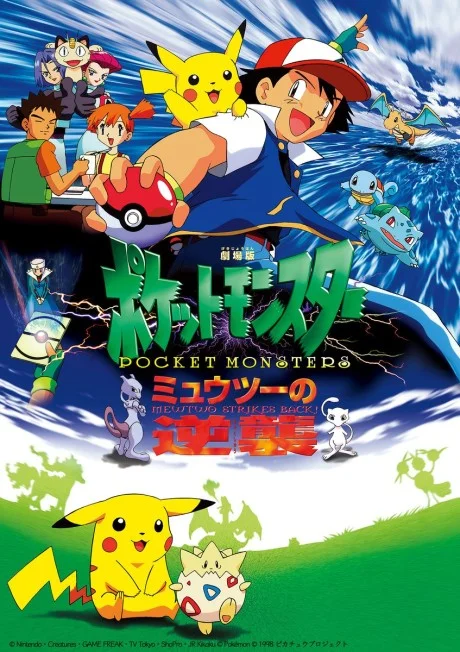
Pokémon: The First Movie
Scientists use the DNA of the rare Pokémon Mew to create Mewtwo, the world's most powerful Pokémon. Refusing to be used as a test subject, Mewtwo merges his psychic powers with rage and destroys the scientists who created him. He then attempts to control his abilities with the help of Giovanni, who financed the operation, but realizes he is being used as a tool once again. Determined to find his own purpose, Mewtwo decides to take revenge on humanity by eradicating all life on Earth with a deadly storm. Ash Ketchum and other Pokémon Trainers are summoned by Mewtwo for a battle, but they soon learn the invitation is a trap designed to clone their Pokémon for his own ends. Ash attempts to stop Mewtwo before his plan can be put into action.
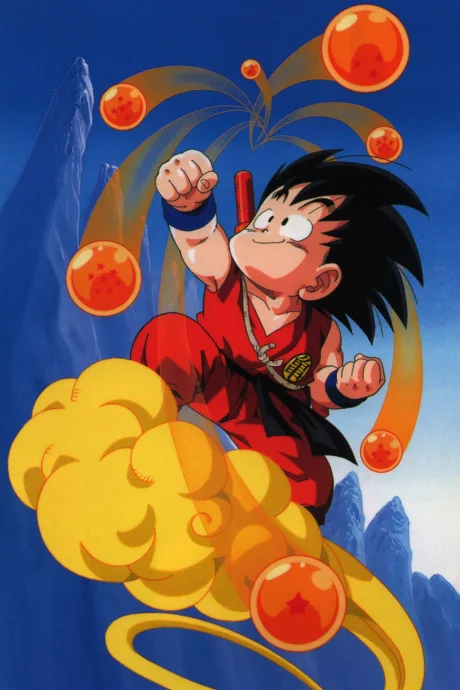
Dragon Ball
Deep in the forest, a young boy named Goku Son lives alone. His life changes completely when a girl named Bulma, searching for the mystical "Dragon Balls," stumbles into the forest and crashes into him. It is said that when all seven are gathered, they grant any wish, and Bulma has set out in hopes of finding the perfect husband. Goku possesses one of the Dragon Balls, but he is determined not to give it up. Bulma finds a solution: if Goku allows her to use the ball's power, he can join her on the adventure. Thus, the two embark on an unforgettable journey. Their journey is not theirs alone. Along the way, they meet the old master Muten-Roşi and his prospective student Kuririn; Goku trains with them to become a stronger fighter in preparation for the Tenkaichi Budokai tournament. But it is not all fun and games—the power to grant any wish brings disaster in the wrong hands. As they strive to grow stronger, they also use their newfound strength to help the people they meet along the way, stopping those who seek to misuse this legendary power.
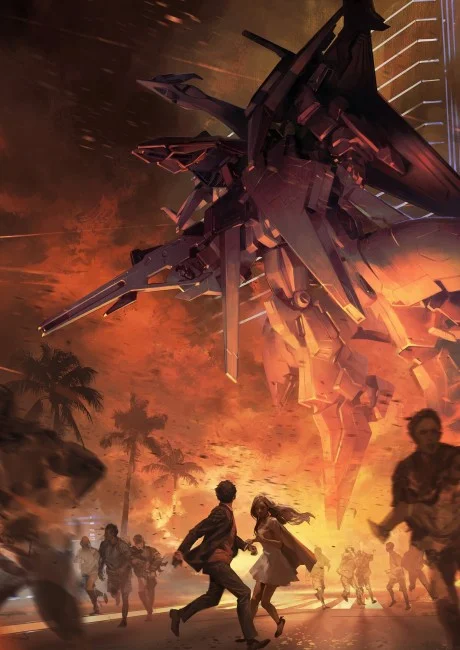
Mobile Suit Gundam Hathaway
U.C. 0105. Twelve years have passed since the end of the Second Neo Zeon War (Char's Rebellion). Even after the "Axis Shock" that appeared to herald the future of humanity and the Universal Century, the Earth Sphere remains chaotic, with sporadic military conflicts continuing to erupt. The Earth Federation government has become increasingly corrupt; its rule not only accelerates the planet's pollution but also enforces an inhuman "Man Hunt" policy, forcibly dragging civilians into space. Against the corruption of the Earth Sphere, the anti-Federation organization "Mafty" has taken a stand under the leadership of a figure known as "Mafty Navue Erin." Though Mafty carries out violent terrorist attacks, assassinating high-ranking Federation officials one by one, it enjoys a certain level of support from the populace increasingly disillusioned with the Federation government. The man who identifies himself as Mafty and leads the organization is Hathaway Noa, son of Bright Noa, a lieutenant of the Earth Federation Forces who fought in the One Year War. Hathaway had joined the forces that sought to suppress Char's Rebellion. Having witnessed firsthand the ideals and ideologies of Amuro Ray and Char Aznable, Hathaway has become a warrior following in their footsteps, planning to forge a path forward through armed resistance. However, his fate is fundamentally altered by his encounters with Kenneth Sleg, a lieutenant of the Earth Federation Forces, and Gigi Andalucia, a mysterious young beauty.

Love Live! The School Idol Movie
Although μ's, the champions of the school idol tournament, plan to disband after the senior members graduate, news arrives that leads them to organize a concert event. The nine girls continue to learn and grow in this new and unfamiliar world. What will be the last thing they can do as school idols? As time passes, what meaning will the members of μ's find while delivering their most exciting live performance?
📚 Bookshelf (Print Novels)
Curated print editions, publishers, and multi-source reader ratings
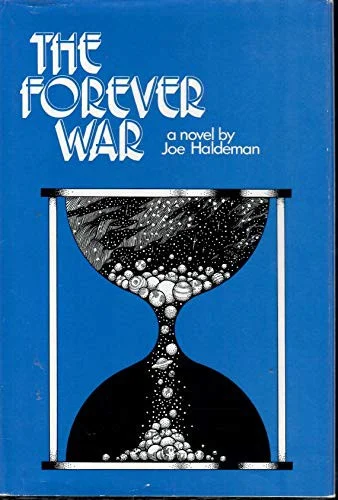
Part "Forever Free" (Basılı Roman) in the The Forever War universe. Direct sequel to The Forever War; continues William Mandella's story.
Joe Haldeman's 1974 science-fiction classic follows Private William Mandella through an interstellar war against an unknowable alien enemy, where relativistic time dilation means months of combat equal centuries on Earth. Read as a Vietnam War parable, the novel examines the disorientation of returning to a home that has aged far beyond the soldier. It won both the Hugo and Nebula Awards and remains a landmark of military science fiction.
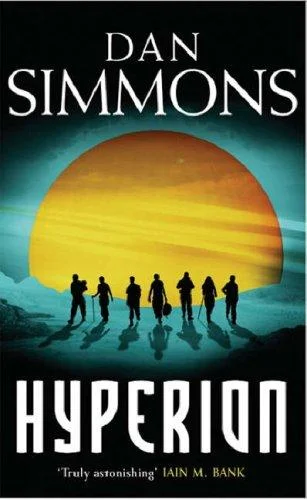
Part "The Fall of Hyperion" (Basılı Roman) in the Hyperion universe. Second and final book of the Hyperion duology
In the 29th century, the Hegemony of Man spans hundreds of planets connected by farcaster portals, maintaining an uneasy alliance with the AI civilization known as the TechnoCore while facing conflict with the space-dwelling Ousters. On the outback world of Hyperion, the mysterious Time Tombs move backward in time, guarded by the legendary Shrike. As an Ouster invasion looms, a final pilgrimage to the tombs is organized, and the seven pilgrims share the tales of how they were chosen.
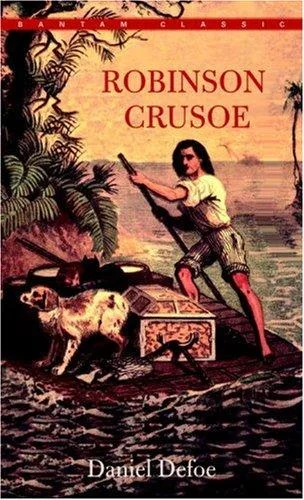
Robinson Crusoe, published by Daniel Defoe in 1719, is considered one of the earliest examples of the modern English novel. It tells the story of an Englishman who becomes the sole survivor of a shipwreck and lives for nearly thirty years on a deserted island. The work explores themes of survival, isolation, civilization, and humanity's relationship with nature.
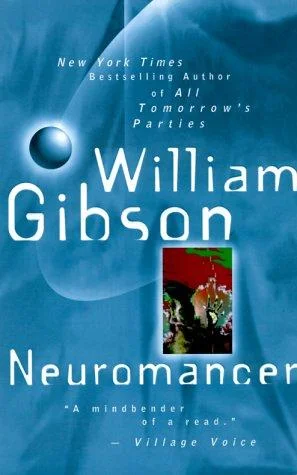
Part "Mona Lisa Overdrive" (Basılı Roman) in the Neuromancer universe. Third and final book of the Sprawl trilogy.
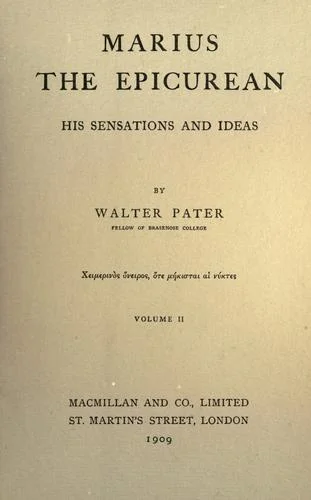
Marius the Epicurean (1885) is a philosophical novel by English writer Walter Pater. Set in second-century Rome, it traces the spiritual and intellectual journey of Marius, a patrician youth who encounters classical philosophy, Stoicism through Marcus Aurelius, and early Christianity. The novel embodies Pater’s aestheticist philosophy, stressing the lasting influence of childhood and the value of a carefully cultivated, non-hedonistic life.
Part "Count Zero" (Basılı Roman) in the Neuromancer universe. Second book and direct sequel in the Sprawl trilogy.
William Gibson's 1984 debut novel Neuromancer is a foundational work of cyberpunk science fiction and the first book in the Sprawl trilogy. It introduces a gritty, high-tech future dominated by artificial intelligence, cyberspace, and corporate power, following washed-up data-thief Henry Dorsett Case on a dangerous final hack. The novel won the Hugo, Nebula, and Philip K. Dick Awards and profoundly shaped modern visions of technology and the digital frontier.
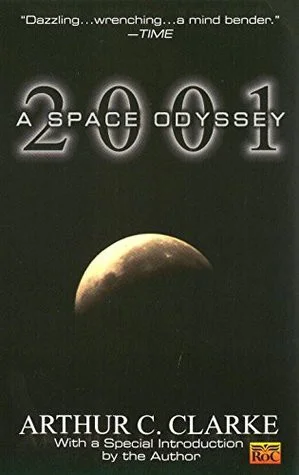
Part "2010: Odyssey Two" (Basılı Roman) in the 2001: A Space Odyssey universe. Second novel, sequel to 2001
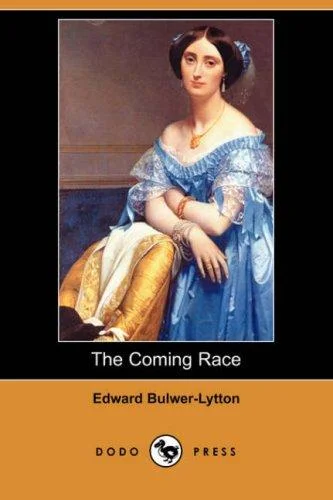
Published in 1871 by Edward Bulwer-Lytton, The Coming Race is an early science-fiction novel. It tells of a subterranean race called the Vril-ya who wield a mysterious force known as vril. The book inspired the occult Vril Society and became linked to Nazi ideology through its swastika symbolism.
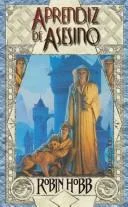
Part "Assassin's Quest" (Basılı Roman) in the Assassin's Apprentice (The Realm of the Elderlings) universe. Final book of the Farseer trilogy, concluding Fitz's initial journey.
🔥 Most Visited & Popular
View All →


✅ Completed Series
All Completed Series →


🕒 Recent Updates
1,622 total entries
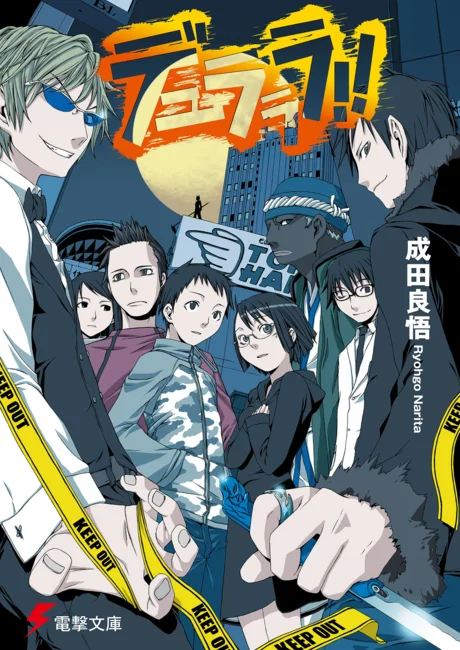
Durarara!!
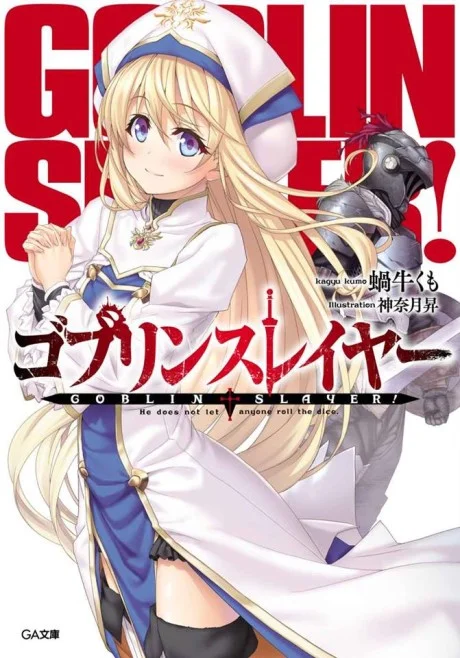
Goblin Slayer!
 Sinema
Death Parade
 Sinema
JoJo's Bizarre Adventure (TV)
 Anime
Fire Force
 Anime
Bleach
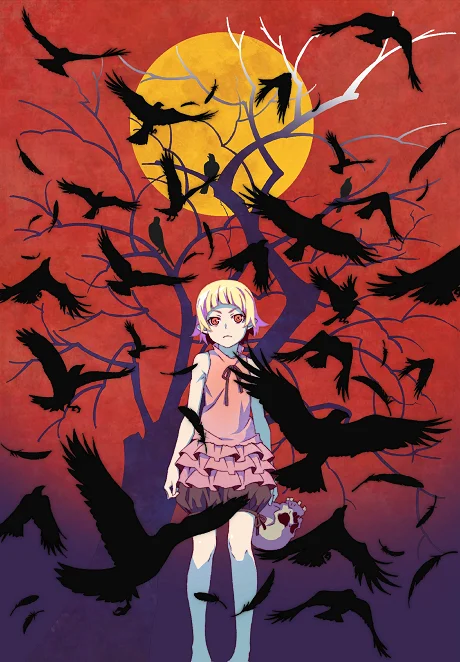
Kizumonogatari Part 1: Tekketsu
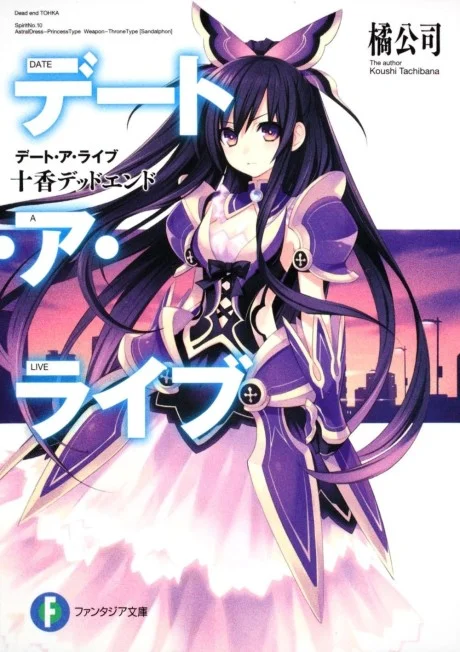
Date A Live
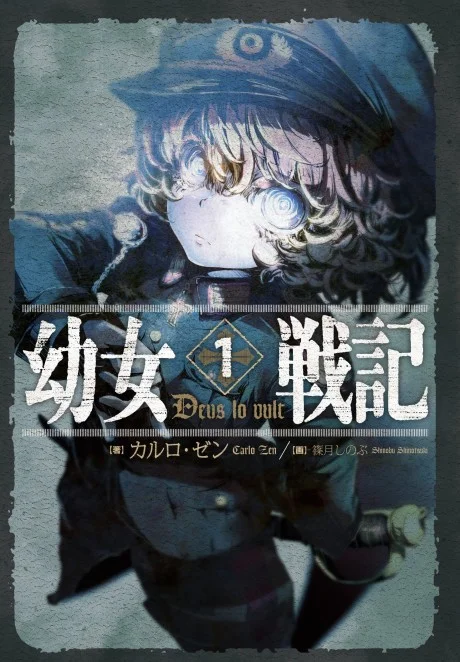
The Saga of Tanya the Evil
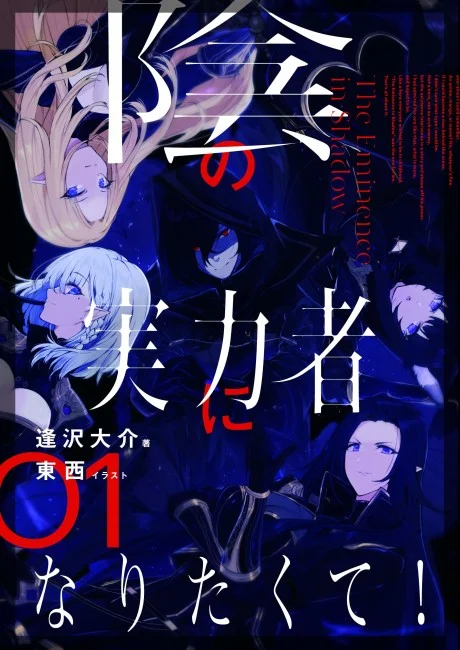
The Eminence in Shadow

Chainsaw Man – The Movie: Reze Arc
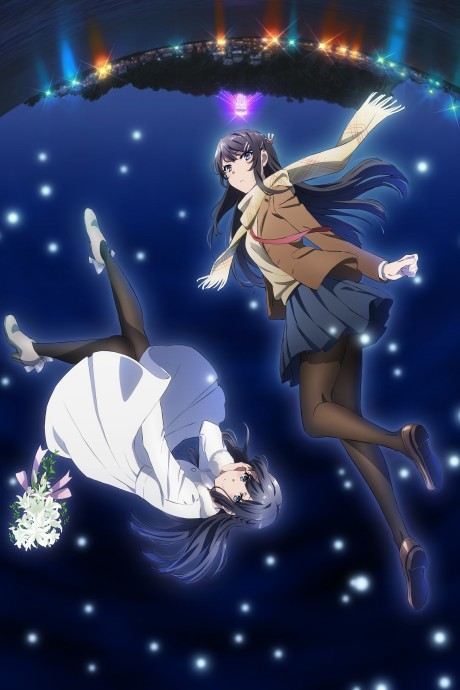
Rascal Does Not Dream of a Dreaming Girl

Mushoku Tensei: Jobless Reincarnation
 Anime