📰 Latest News & Announcements

Nia Liston: The Merciless Maiden 8. Bölümüyle Duygu Dalgası
Komik tonuyla dikkat çeken dizi, 8. bölümünde izleyicileri duygusal olarak da etkiliyor. 'Bu saçma dizinin bana bu kadar hissettirebildiğini seviyorum' tepkisi, serinin kişisel bir bağ kurduğunu gösteriyor.

Ranma ½ 3. Sezonun 8. Bölümü: Takahashi'nın Urusei Yatsura'ya Dönüşü
Rumiko Takahashi, Ranma ½ 3. sezonun 8. bölümünde Ukyo ve Tsubasa karakterleriyle, önceki serisi Urusei Yatsura'da kullandığı bir senaryo aygıtına dönüyor.

Norveçli şarkıcı PelleK, YouTube anime coverlarından Skeleton Knight'in açılış şarkılarına kadar
Norveç'ten gelen PelleK, Japonça bilmese de YouTube'ta paylaştığı anime coverlarıyla dikkat çekerek, sonunda popüler bir anime serisinin açılış şarkılarını söyleme imkanına kavuştu.
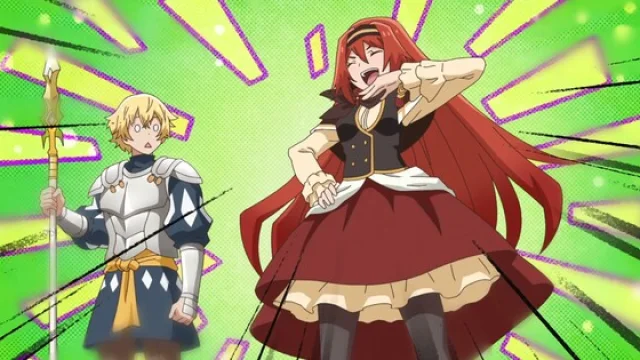
The World's Strongest Witch 8. bölümü: oyun parodileriyle eğlenceli bir anime deneyimi
Bu sonbaharın keyifli anime rutinlerinden biri olan The World's Strongest Witch, 8. bölümünde de video oyunlarına akıllıca parodi yapmaya devam ediyor.

Father, I Don't Want This Marriage 1–4 Cilt İncelemesi: Anlaşmazlıkların beslediği keyifli romantik komedi
Father, I Don't Want This Marriage adlı K-komik'in ilk dört cildi, karanlık bir alt yapıyı gizleyen, anlaşmazlıkların yol açtığı yanlış anlamalar üzerine kurulu keyifli bir romantik komedi sunuyor.
🌌 Featured Universes
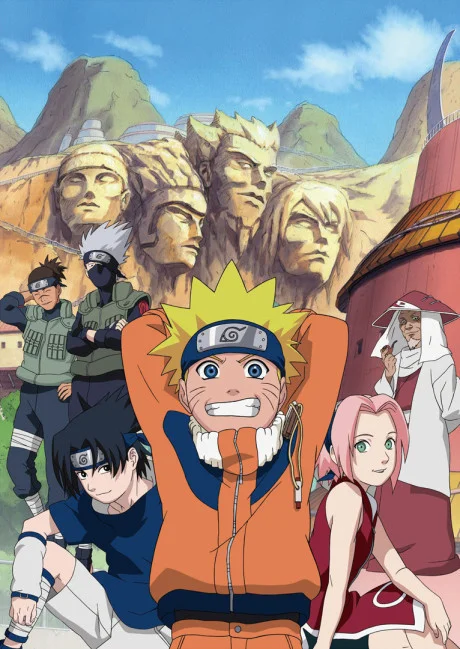
Naruto
Naruto Uzumaki is a hyperactive, somewhat knuckleheaded ninja living in Konohagakure (Hidden Leaf Village). Shortly before his birth, a great beast known as the Kyuubi (Nine-Tailed Fox) attacked the village, causing widespread destruction. To end the Kyuubi's rampage, the village leader, the Fourth Hokage, sacrificed his life to seal the beast within the newborn Naruto. Because he houses the Kyuubi, Naruto is ostracized by the village and struggles to find his place. Determined to earn recognition, the young ninja strives to become the Hokage of Konohagakure, encountering many friends and foes along the way.

Pokémon: The First Movie
Scientists use the DNA of the rare Pokémon Mew to create Mewtwo, the world's most powerful Pokémon. Refusing to be used as a test subject, Mewtwo merges his psychic powers with rage and destroys the scientists who created him. He then attempts to control his abilities with the help of Giovanni, who financed the operation, but realizes he is being used as a tool once again. Determined to find his own purpose, Mewtwo decides to take revenge on humanity by eradicating all life on Earth with a deadly storm. Ash Ketchum and other Pokémon Trainers are summoned by Mewtwo for a battle, but they soon learn the invitation is a trap designed to clone their Pokémon for his own ends. Ash attempts to stop Mewtwo before his plan can be put into action.
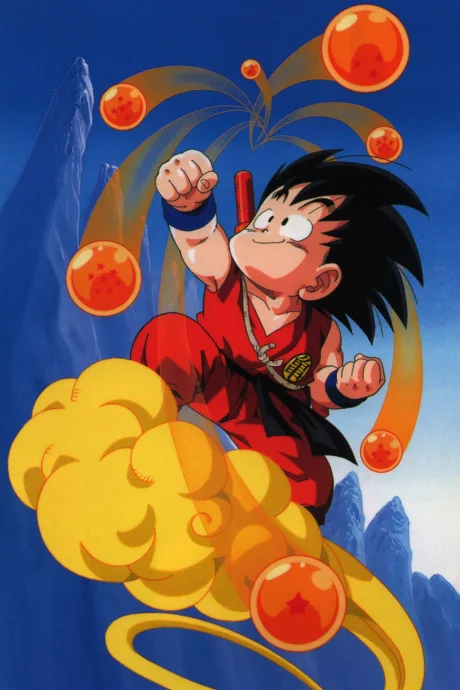
Dragon Ball
Deep in the forest, a young boy named Goku Son lives alone. His life changes completely when a girl named Bulma, searching for the mystical "Dragon Balls," stumbles into the forest and crashes into him. It is said that when all seven are gathered, they grant any wish, and Bulma has set out in hopes of finding the perfect husband. Goku possesses one of the Dragon Balls, but he is determined not to give it up. Bulma finds a solution: if Goku allows her to use the ball's power, he can join her on the adventure. Thus, the two embark on an unforgettable journey. Their journey is not theirs alone. Along the way, they meet the old master Muten-Roşi and his prospective student Kuririn; Goku trains with them to become a stronger fighter in preparation for the Tenkaichi Budokai tournament. But it is not all fun and games—the power to grant any wish brings disaster in the wrong hands. As they strive to grow stronger, they also use their newfound strength to help the people they meet along the way, stopping those who seek to misuse this legendary power.
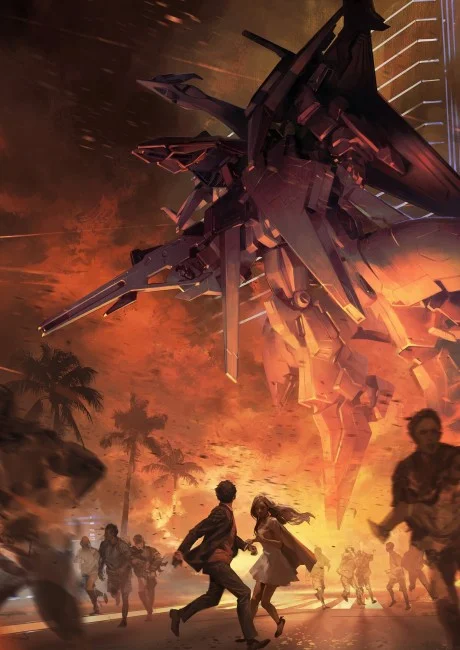
Mobile Suit Gundam Hathaway
U.C. 0105. Twelve years have passed since the end of the Second Neo Zeon War (Char's Rebellion). Even after the "Axis Shock" that appeared to herald the future of humanity and the Universal Century, the Earth Sphere remains chaotic, with sporadic military conflicts continuing to erupt. The Earth Federation government has become increasingly corrupt; its rule not only accelerates the planet's pollution but also enforces an inhuman "Man Hunt" policy, forcibly dragging civilians into space. Against the corruption of the Earth Sphere, the anti-Federation organization "Mafty" has taken a stand under the leadership of a figure known as "Mafty Navue Erin." Though Mafty carries out violent terrorist attacks, assassinating high-ranking Federation officials one by one, it enjoys a certain level of support from the populace increasingly disillusioned with the Federation government. The man who identifies himself as Mafty and leads the organization is Hathaway Noa, son of Bright Noa, a lieutenant of the Earth Federation Forces who fought in the One Year War. Hathaway had joined the forces that sought to suppress Char's Rebellion. Having witnessed firsthand the ideals and ideologies of Amuro Ray and Char Aznable, Hathaway has become a warrior following in their footsteps, planning to forge a path forward through armed resistance. However, his fate is fundamentally altered by his encounters with Kenneth Sleg, a lieutenant of the Earth Federation Forces, and Gigi Andalucia, a mysterious young beauty.

Love Live! The School Idol Movie
Although μ's, the champions of the school idol tournament, plan to disband after the senior members graduate, news arrives that leads them to organize a concert event. The nine girls continue to learn and grow in this new and unfamiliar world. What will be the last thing they can do as school idols? As time passes, what meaning will the members of μ's find while delivering their most exciting live performance?
📚 Bookshelf (Print Novels)
Curated print editions, publishers, and multi-source reader ratings
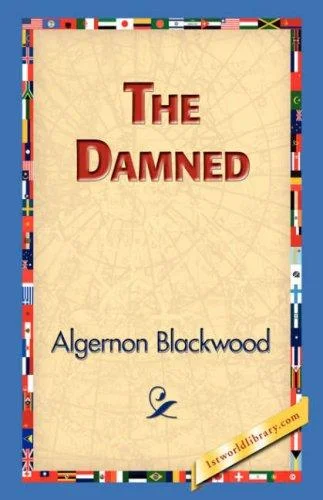
The Damned is a supernatural novel by British writer Algernon Blackwood, first published in the early twentieth century and reissued in 2002. The story follows characters drawn into the orbit of malevolent, unseen forces, blending psychological suspense with occult inquiry. Through atmospheric prose, Blackwood explores the vulnerability of the human mind when confronted with inexplicable evil.
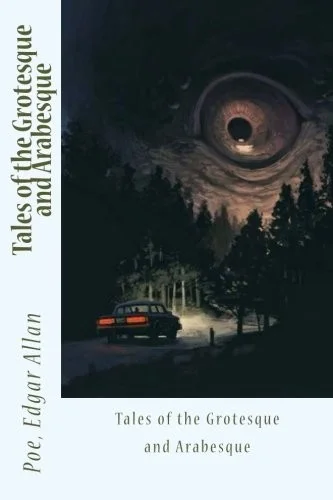
Published in 1840, this short story collection by Edgar Allan Poe brings together gothic and arabesque tales. It includes classics such as "The Fall of the House of Usher," "Ligeia," "William Wilson," and "Berenice," exploring psychological horror, death, and moral decay. A cornerstone of Poe's work, it helped shape the modern short story and Gothic literature.
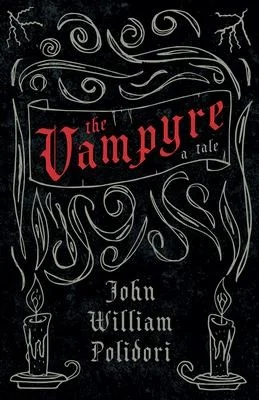
The Vampyre, published in 1819 by John William Polidori, is a short gothic novel regarded as the first modern vampire story. It introduces Lord Ruthven, a seductive aristocrat with unnatural powers and an insatiable thirst for blood. Polidori's portrayal of the vampire as a Byronic figure established the template for the modern vampire genre.

Edgar Allan Poe's 1839 Gothic short story "The Fall of the House of Usher" depicts the decay of an ancestral mansion and the psychological collapse of its last inhabitants. Exploring themes of madness, family, isolation, and metaphysical identity, it stands as one of the most important works of American Gothic literature. The tragic tale of Roderick Usher and his sister Madeline unfolds in parallel with the physical crumbling of the Usher estate.

"The White People" is a seminal horror short story by Welsh writer Arthur Machen, written in the late 1890s and first published in 1904 in Horlick's Magazine. Presented as a discovered diary, it explores forbidden rituals, supernatural entities, and the thin veil between reality and the unseen. The story was later reprinted in Machen's collection The House of Souls and remains a landmark of weird fiction.

Bram Stoker's 'Dracula's Guest and Other Weird Stories' is a posthumously published short story collection edited by his widow, Florence Stoker. A key work of Gothic horror, it reinforces Stoker's reputation as a leading early-twentieth-century writer of the macabre. The volume gathers eerie and supernatural tales centered around the titular story.
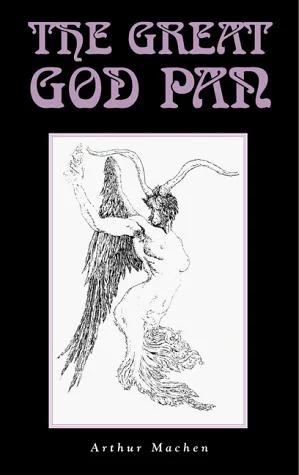
Arthur Machen's 1894 novella The Great God Pan is one of the most influential works of weird horror and decadent fiction. It tells the story of a young woman cursed by unnatural parentage to become a shape-shifting, demi-human evil, exploring secret rituals, altered consciousness, and cosmic dread. Machen's dark imagination left a lasting mark on modern weird and horror literature.
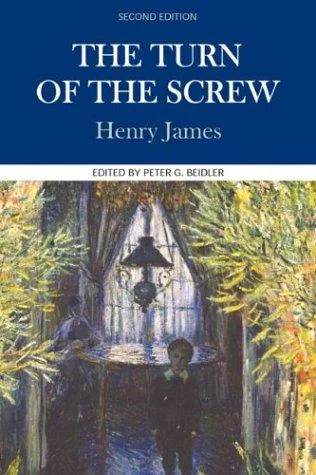
Henry James's 1898 gothic horror novella follows a governess caring for two enigmatic children who become convinced that the spirits of a former governess and her sinister lover are threatening the children's souls. Blurring the line between reality and imagination, it remains one of the most debated and ambiguously interpreted works in English literature.

Carmilla is a Gothic vampire novella by Irish author Sheridan Le Fanu, first serialized in 1871–72. Narrated by a young woman who becomes the target of the mysterious female vampire Carmilla, the work is considered a prototypical lesbian vampire story. It treats homosexuality with moral ambiguity rather than as an explicit antagonistic trait and has inspired numerous film and media adaptations.

Charlotte Perkins Gilman's 1915 utopian novel Herland follows three American male explorers who discover an isolated all-female society. In this peaceful, matriarchal world without men, gender roles and social structures are reimagined through a feminist lens. The novel remains a sharp critique of early 20th-century attitudes toward women and civilization.

The Mayor of Casterbridge (1886) is one of Thomas Hardy’s major Wessex novels, tracing the rise and fall of Michael Henchard. After drunkenly selling his wife and child at a country fair, Henchard rebuilds his life to become a wealthy and respected townsman, only to be undone by his secret guilt, pride, and impulsive temper. The novel offers a profound psychological portrait of a deeply flawed yet sympathetic tragic hero, set against vividly rendered rural English life. It was first serialized in a magazine before appearing in book form later the same year.
A philosophical novel by Irish writer Oscar Wilde, The Picture of Dorian Gray tells the story of a young man whose portrait ages and bears the marks of his sins while he remains eternally youthful. Exploring themes of aestheticism, morality, and corruption, the novel critiques Victorian society's hypocrisy. It has inspired numerous film, stage, and television adaptations.
🔥 Most Visited & Popular
View All →


🕒 Recent Updates
4,862 total entries
The Damned
Sinema
The Fall of the House of Usher
Tales of the Grotesque and Arabesque
The Vampyre
Sinema
House of Usher
The Fall of the House of Usher
The White People
Dracula's Guest and Other Weird Stories
The Great God Pan
The Turn of the Screw
TV Dizisi
Carmilla
Sinema
The Vampire Lovers
Carmilla
Herland
TV Dizisi
The Mayor of Casterbridge
The Mayor of Casterbridge
Sinema
The Picture of Dorian Gray
The Picture of Dorian Gray
The Illustrious Prince

The Enemy
Bad Luck and Trouble
Black Friday
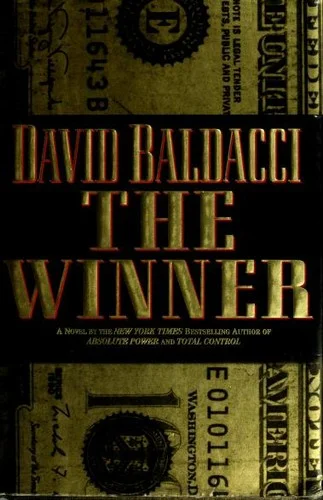
The Winner